
Date & Time
April 8, 2026
12 pm to 1 pm
Location
Online
Keeping food safe during delivery can be a challenge, especially when temperatures cannot easily be controlled. This talk shows how computer- based models can help predict and manage food safety risks during the “last mile” of delivery, from warehouses to restaurants or customers. Using real examples from several companies, the presentation explains how temperature and time affect the growth of bacteria such as Listeria or Salmonella. By entering real-world temperature data into free modeling tools like ComBase, we can predict bacterial growth and assess food safety risk. These models give a practical and reliable way to understand risk and make better decisions about delivery times and temperatures. In most cases, the models are “fail-safe,” meaning they overestimate risk rather than underestimate it, helping companies stay safe. Predictive modeling gives food businesses and regulators a science-based way to keep food safe, reduce waste, and maintain quality throughout the delivery process.

Webinar Lead By
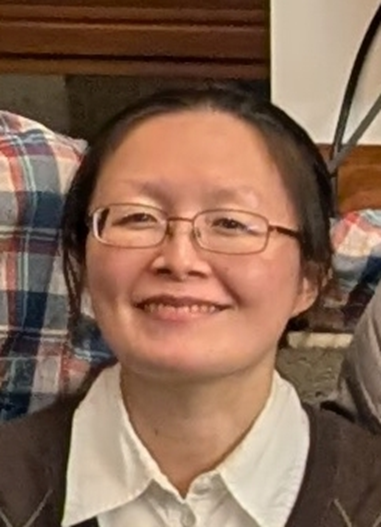
Stephanie Chiu – President of the BC Food Protection Association
Stephanie has worked as a Quality Assurance and Packaging Specialist in the food industry for over 9 years, ranging from snacking nuts to protein supplements. She is currently the President of the BC Food Protection Association.
Meet Our Experts

Extension Specialist in Food Science and Distinguished Professor at Rutgers University
Donald Schaffner
Dr. Donald W. Schaffner is Extension Specialist in Food Science and Distinguished Professor at Rutgers University. He is the current Chair of the Rutgers Department of Food Science. His research interests include handwashing, cross-contamination and quantitative microbial risk assessment. He is a Fellow of the Institute of Food Technologists, the American Academy of Microbiology, International Association for Food Protection (IAFP) and the Society for Risk Analysis. Dr. Schaffner was the president of IAFP in 2013-2014. He co-hosts the Food Safety Talk and Risky or Not podcasts.
Event Details
Date & Time
April 8, 2026
12 pm to 1 pm
Location
Online
